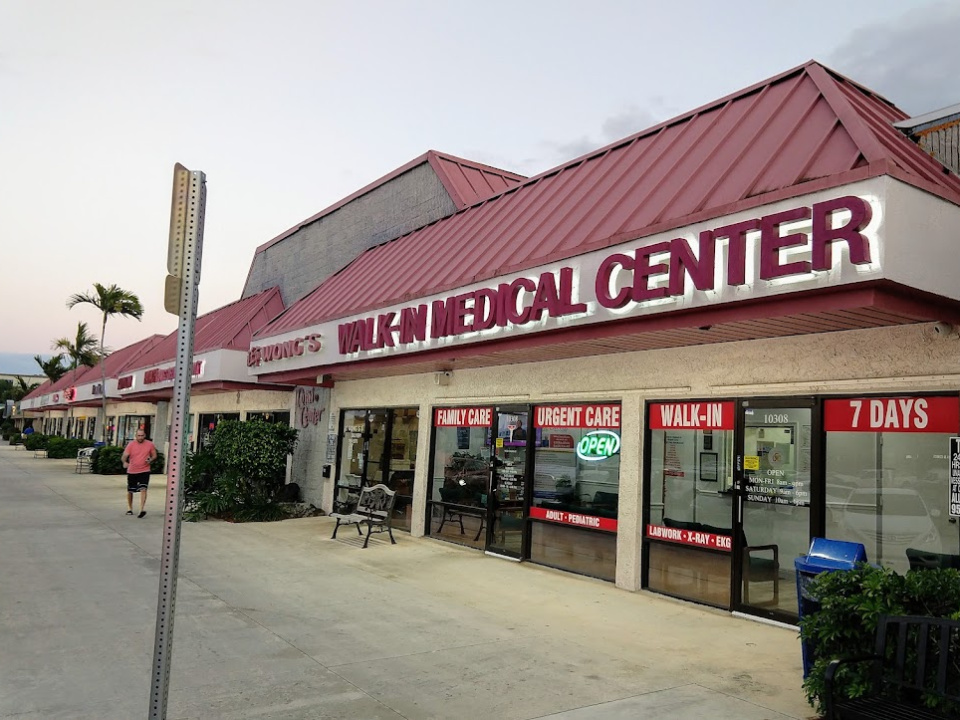

Urgent Care Center Near Me Open Today: A Complete Guide to Fast and Reliable Medical Care
July 20, 2026
Dementia Care for Elderly Patients: A Complete Guide to Providing Love, Safety, and Support
July 20, 2026
Minor burns are one of the most common injuries people experience at home, work, or while cooking. A splash of hot water, touching a hot pan, or spending too much time in the sun can all lead to a painful burn. While many small burns can be treated at home, there are times when visiting an urgent care center is the safest choice. Knowing when to seek medical help and what treatment you can expect can make recovery faster and reduce the risk of infection.
In this article, we’ll explain everything you need to know about treatment for minor burns at urgent care, including when to visit, what happens during treatment, recovery tips, and ways to prevent burns in the future.
What Is a Minor Burn?
A minor burn is a burn that only affects the top layer of the skin or a small part of the second layer. These burns usually cause redness, mild swelling, pain, and sometimes small blisters.
Minor burns are generally divided into two types:
- First-degree burns: These only affect the outer layer of the skin. They usually appear red, dry, and painful without blisters.
- Small second-degree burns: These affect both the outer and second layer of the skin. They often cause blisters, redness, swelling, and more pain.
If the burn covers a large area, appears white or black, or reaches deep into the skin, it is no longer considered a minor burn and requires emergency medical care.
Common Causes of Minor Burns
Minor burns happen in many different ways. Some of the most common causes include:
- Hot water or steam
- Cooking accidents
- Touching hot metal or glass
- Curling irons or hair straighteners
- Small chemical spills
- Sunburn
- Fireworks
- Hot drinks like coffee or tea
Even a small burn can become infected if it is not treated properly.
When Should You Visit Urgent Care for a Minor Burn?
Many minor burns heal well at home, but some burns should be checked by a healthcare provider.
Visit an urgent care center if:
- The burn is larger than three inches.
- Blisters are large or very painful.
- The burn is on the face, hands, feet, or joints.
- The burn is on the genitals.
- The skin looks swollen or infected.
- You notice pus or a bad smell.
- The pain is getting worse instead of better.
- You have diabetes or a weak immune system.
- Your last tetanus shot was many years ago.
Urgent care providers can quickly evaluate the injury and decide whether home care is enough or if additional treatment is needed.
What Happens During Treatment for Minor Burns at Urgent Care?
Many people feel nervous before visiting urgent care because they don’t know what to expect. Fortunately, treating a minor burn is usually simple and doesn’t take very long.
1. Burn Evaluation
The healthcare provider will carefully examine your burn.
They may ask:
- How did the burn happen?
- When did the injury occur?
- Was it caused by heat, chemicals, or electricity?
- How painful is it?
- Have you treated it already?
This helps determine the depth and severity of the burn.
2. Cleaning the Burn
Cleaning is one of the most important parts of treatment.
The provider gently washes the burn using sterile water or saline solution to remove dirt and bacteria. Keeping the wound clean helps prevent infection.
3. Blister Care
Many people think they should pop burn blisters at home, but this is not recommended.
If blisters are very large or have already broken, the provider may safely remove damaged skin while protecting healthy tissue underneath.
4. Applying Medication
After cleaning, the provider may apply:
- Antibiotic ointment
- Burn cream
- Moisturizing gel
- Pain-relieving medication
These treatments help reduce discomfort and lower the risk of infection.
5. Dressing the Burn
The burn is covered with a clean, non-stick bandage.
This dressing protects the injured skin from bacteria while allowing it to heal naturally.
6. Pain Management
Burns can be surprisingly painful.
The healthcare provider may recommend:
- Ibuprofen
- Acetaminophen
- Prescription pain medication for more severe burns
Pain control helps make daily activities more comfortable during healing.
7. Tetanus Protection
If your tetanus vaccination is outdated, the provider may recommend getting a tetanus booster, especially if the burn occurred from dirty metal or outdoor injuries.
How Long Does a Minor Burn Take to Heal?
Healing time depends on the depth of the burn.
Typical recovery times include:
- First-degree burns: 3 to 7 days
- Small second-degree burns: 1 to 3 weeks
Some mild peeling or discoloration may remain for several weeks before the skin fully returns to normal.
How to Care for a Burn at Home After Urgent Care
Following your provider’s instructions is important for proper healing.
Here are some simple tips:
Keep the Bandage Clean
Replace the dressing as directed. Wash your hands before changing the bandage to avoid introducing bacteria.
Avoid Picking at Blisters
Blisters protect the skin underneath. Picking or popping them increases the chance of infection.
Use Prescribed Ointments
Apply any creams or antibiotic ointments exactly as instructed.
Stay Hydrated
Drinking plenty of water supports your body’s natural healing process.
Protect the Burn from the Sun
New skin is very sensitive. Cover the area or use sunscreen once the burn has healed to help prevent permanent discoloration.
Signs That a Burn May Be Infected
Even small burns can become infected if bacteria enter the wound.
Watch for these warning signs:
- Increasing redness
- More swelling
- Warm skin around the burn
- Yellow or green drainage
- Bad odor
- Fever
- Increased pain after several days
If you notice these symptoms, return to urgent care or contact your healthcare provider as soon as possible.
Can Minor Burns Leave Scars?
Most first-degree burns heal without leaving scars.
Small second-degree burns usually heal very well if treated early and kept clean.
To reduce scarring:
- Keep the wound moisturized.
- Follow all wound care instructions.
- Avoid scratching.
- Protect the area from sunlight.
- Don’t remove healing skin.
Proper treatment at urgent care often lowers the risk of permanent scarring.
Ways to Prevent Minor Burns
Many burns can be avoided with a few simple safety habits.
Helpful prevention tips include:
- Keep hot drinks away from children.
- Turn pot handles toward the back of the stove.
- Wear oven mitts while cooking.
- Test bath water before getting in.
- Store chemicals safely.
- Be careful around grills and campfires.
- Wear sunscreen to prevent sunburn.
- Keep electrical cords in good condition.
Taking these precautions can help protect you and your family from painful injuries.
Benefits of Choosing Urgent Care for Minor Burns
Urgent care centers are a convenient option for treating burns that need medical attention but are not life-threatening.
Some benefits include:
- Shorter wait times than many emergency rooms
- Lower cost for non-emergency treatment
- Experienced healthcare providers
- On-site wound cleaning and dressing
- Access to medications if needed
- Convenient evening and weekend hours
For many people, urgent care provides fast, effective treatment without the expense of an emergency department visit.
When Should You Go to the Emergency Room Instead?
Not every burn should be treated at urgent care.
Go to the emergency room immediately if:
- The burn is larger than your hand.
- The burn is deep, white, black, or charred.
- The injury was caused by electricity.
- The burn resulted from a serious chemical exposure.
- The person has trouble breathing after a fire.
- Burns cover large areas of the body.
- Clothing caught on fire.
- The burn affects the airway.
These situations require emergency medical treatment.
Final Thoughts
Knowing when to seek treatment for minor burns at urgent care can make a big difference in your recovery. While many small burns improve with basic first aid at home, burns involving blisters, sensitive body areas, signs of infection, or severe pain should be evaluated by a medical professional.
Urgent care centers provide quick, affordable, and effective treatment for many minor burn injuries. Providers can clean the wound, apply the proper dressing, manage pain, and help prevent infection, allowing your skin to heal safely. By following aftercare instructions and practicing burn prevention, you can reduce complications and return to your normal routine more quickly.
Frequently Asked Questions (FAQs)
1. Can urgent care treat second-degree burns?
Yes. Urgent care can treat many small second-degree burns by cleaning the wound, applying medication, dressing the burn, and providing pain relief. However, large or severe second-degree burns may require emergency care.
2. Should I pop a burn blister before going to urgent care?
No. You should never pop a burn blister yourself. Blisters protect the skin from infection. A healthcare provider will decide whether any blister treatment is necessary.
3. How much does treatment for minor burns at urgent care usually cost?
The cost varies depending on your location, insurance coverage, and the treatment required. In general, urgent care is often much less expensive than visiting an emergency room for minor burns.
4. Can I go to urgent care several days after getting burned?
Yes. If your burn becomes more painful, shows signs of infection, isn’t healing properly, or you have concerns about your recovery, it’s appropriate to visit urgent care even a few days after the injury.
5. How can I tell if my burn is serious?
A burn may be serious if it is deep, larger than the palm of your hand, caused by electricity or chemicals, located on the face, hands, feet, or genitals, or if you develop signs of infection such as pus, fever, increasing redness, or severe swelling. In these cases, seek medical attention immediately.