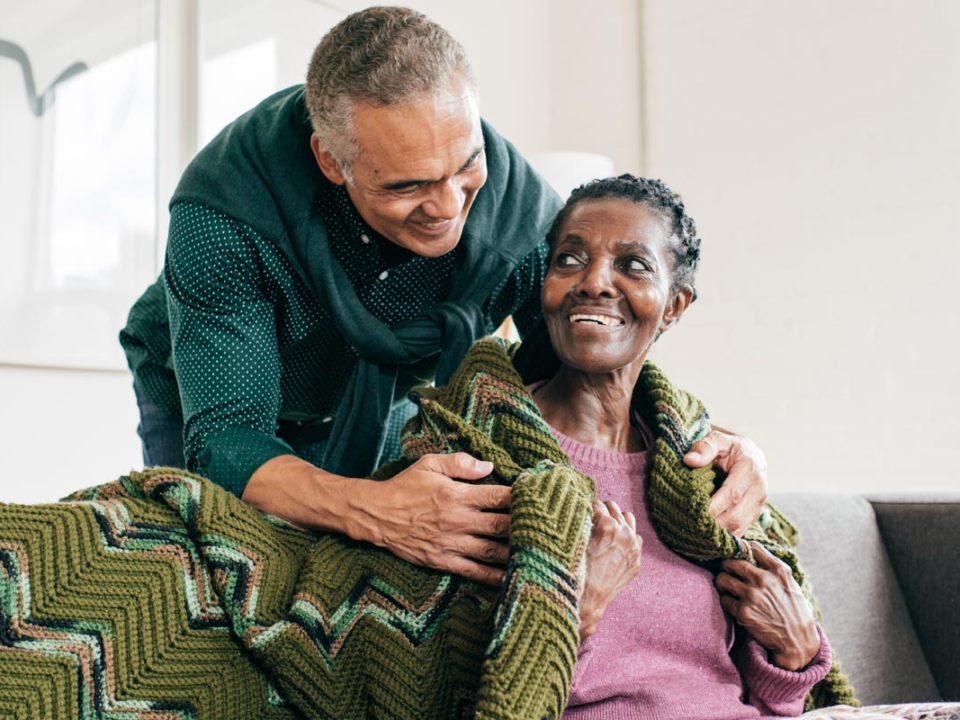

Dementia Care for Elderly Patients: A Complete Guide to Providing Love, Safety, and Support
July 20, 2026
Bunion Surgery Recovery Time: A Complete Guide to Healing Faster
July 20, 2026
Introduction
As people grow older, they often need extra support with their daily lives. Some seniors can manage on their own, while others need help because of illness, injury, or age-related health problems. Many families want their elderly loved ones to stay at home instead of moving to a nursing home or assisted living facility. This is where in home nursing care for elderly becomes a valuable option.
In-home nursing care allows seniors to receive professional medical and personal care without leaving the comfort of their own homes. It helps them stay independent while receiving the attention they need. Family members also gain peace of mind knowing their loved one is being cared for by trained professionals.
This guide explains what in-home nursing care is, its benefits, the services provided, who needs it, and how to choose the right caregiver.
What Is In Home Nursing Care for Elderly?
In home nursing care for elderly is a healthcare service where licensed nurses or trained caregivers visit an elderly person’s home to provide medical and personal care. Instead of staying in a hospital or nursing home, seniors receive professional support in a familiar environment.
The care plan depends on each person’s health condition. Some seniors may need only a few hours of help each week, while others require full-time or even 24-hour care.
The main goal is to improve the senior’s quality of life while helping them remain safe, healthy, and comfortable at home.
Why More Families Choose In Home Nursing Care
Many families prefer home care because it allows seniors to stay in a place they know and love. Being surrounded by familiar memories, family members, and personal belongings often improves emotional well-being.
Home care also provides one-on-one attention. Unlike busy healthcare facilities, the caregiver focuses on one patient, making care more personal and effective.
Families can stay closely involved in the care process and communicate directly with caregivers about their loved one’s health.
Services Included in In Home Nursing Care
Professional home nursing services cover a wide range of medical and daily living needs.
Medication Management
One of the most important services is helping seniors take the correct medicines on time. Nurses monitor medication schedules, prevent missed doses, and watch for side effects.
Health Monitoring
Nurses regularly check important health signs such as blood pressure, heart rate, blood sugar levels, temperature, and oxygen levels. They quickly notice changes that may require medical attention.
Wound Care
Many elderly patients recover from surgery or injuries at home. Nurses clean wounds, change dressings, and monitor healing to reduce the risk of infection.
Personal Care Assistance
Some seniors need help with daily activities like bathing, dressing, grooming, toileting, and moving around safely.
Chronic Disease Management
Older adults often live with long-term health conditions such as diabetes, heart disease, arthritis, or high blood pressure. Nurses help manage these conditions through regular monitoring and education.
Physical Support
Caregivers assist with walking, transferring from bed to chair, and gentle exercises that improve strength and mobility while reducing the risk of falls.
Nutrition Support
Healthy eating is essential for seniors. Caregivers may prepare balanced meals, encourage proper hydration, and monitor dietary restrictions recommended by doctors.
Emotional Support
Loneliness is common among elderly people. Having a caring professional visit regularly provides companionship, conversation, and emotional comfort.
Benefits of In Home Nursing Care for Elderly
There are many reasons why families choose home nursing care.
Comfort
Seniors feel more relaxed in their own homes. Familiar surroundings reduce stress and anxiety.
Personalized Care
Every senior has different health needs. Home care plans are customized to match each person’s condition and lifestyle.
Better Independence
Instead of losing independence, seniors continue living in their own homes while receiving only the support they need.
Family Involvement
Family members can stay informed about the care plan and participate in important healthcare decisions.
Lower Risk of Infections
Receiving care at home may reduce exposure to infections that can spread in hospitals or care facilities.
Faster Recovery
Many people recover more comfortably after surgery or illness when they are at home with professional nursing support.
Who Can Benefit from In Home Nursing Care?
In-home nursing care is suitable for many elderly individuals, including those who:
- Have recently had surgery
- Need help after a hospital stay
- Live with Alzheimer’s disease or dementia
- Have Parkinson’s disease
- Have diabetes or heart disease
- Need regular injections or wound care
- Have limited mobility
- Require palliative or end-of-life care
- Need help with daily activities
Each person’s care plan should be created according to their medical condition and doctor’s recommendations.
How to Choose the Right Home Nursing Service
Selecting the right caregiver is an important decision.
Look for licensed and experienced nursing professionals. Check whether the agency performs background checks, provides proper training, and offers emergency support.
Read online reviews and ask for recommendations from friends, family, or healthcare providers.
Before hiring, ask questions such as:
- Are the nurses licensed?
- What services are included?
- Are care plans customized?
- Is emergency support available?
- How are caregivers selected?
- Can the schedule be adjusted if needs change?
Choosing a trusted provider helps ensure safe and reliable care.
The Role of Family Members
Even when professional nurses provide care, family members remain an important part of the senior’s life.
Families should:
- Communicate regularly with caregivers.
- Attend medical appointments when possible.
- Encourage healthy eating and exercise.
- Spend quality time with their loved one.
- Watch for changes in health or behavior.
Working together creates the best care experience.
Signs Your Loved One May Need In Home Nursing Care
Sometimes families are unsure when extra help is needed.
Common signs include:
- Frequent falls
- Difficulty walking
- Forgetting medications
- Poor personal hygiene
- Weight loss
- Memory problems
- Difficulty cooking meals
- Trouble managing medical conditions
- Frequent hospital visits
- Feeling lonely or isolated
If several of these signs appear, it may be time to discuss professional home nursing care with a healthcare provider.
Tips for Making Home Care Successful
Creating a safe home environment improves the quality of care.
Remove loose rugs to prevent falls.
Install grab bars in bathrooms.
Keep frequently used items within easy reach.
Ensure good lighting throughout the home.
Maintain regular medical appointments.
Encourage social interaction with family and friends.
Follow the nurse’s care instructions carefully.
These simple steps help seniors remain safer and more comfortable.
Conclusion
In home nursing care for elderly provides professional medical support while allowing seniors to remain in the comfort of their own homes. It combines healthcare, personal assistance, emotional support, and companionship to improve quality of life.
Whether an older adult is recovering from surgery, managing a chronic illness, or simply needs extra help with daily activities, home nursing care offers a safe and flexible solution. Families also benefit from knowing their loved one is receiving compassionate, personalized care.
Choosing the right home nursing service can make a significant difference in a senior’s health, independence, and happiness. With proper planning and professional support, elderly individuals can continue living with dignity, comfort, and confidence in the place they call home.
Frequently Asked Questions (FAQs)
1. What is in home nursing care for elderly?
In-home nursing care is a professional healthcare service where licensed nurses or trained caregivers provide medical and personal care to seniors in their own homes.
2. Who should consider in home nursing care?
It is ideal for seniors recovering from surgery, managing chronic illnesses, living with disabilities, experiencing mobility issues, or needing help with daily activities while remaining at home.
3. What services are included in home nursing care?
Services may include medication management, wound care, health monitoring, personal hygiene assistance, meal preparation, mobility support, chronic disease management, and companionship.
4. Is in home nursing care better than a nursing home?
The best choice depends on the individual’s health needs. For many seniors who do not require constant institutional care, home nursing offers personalized support, greater comfort, and the ability to stay in familiar surroundings.
5. How do I choose a reliable home nursing provider?
Choose a licensed and experienced provider with trained staff, positive customer reviews, personalized care plans, background-checked caregivers, and clear communication with families.