
Bunion Surgery Recovery Time: A Complete Guide to Healing Faster
July 20, 2026
High Blood Pressure Treatment Guide: A Complete and Easy Guide to Managing Hypertension
July 20, 2026
Heel pain can make even the simplest daily activities difficult. Walking, standing for long periods, climbing stairs, or exercising may become painful because of a heel spur. The good news is that surgery is not the only solution. Many people recover successfully by following simple, non-surgical treatments that reduce pain and improve foot health over time.
In this article, you will learn everything you need to know about heel spur treatment without surgery, including what heel spurs are, why they develop, the best natural and medical treatments available, and practical tips to prevent the condition from returning.
What Is a Heel Spur?
A heel spur is a small, bony growth that develops on the underside of the heel bone (calcaneus). It forms gradually because of long-term stress on the foot. Many people have heel spurs without even knowing it because they do not always cause pain.
The discomfort usually happens when the tissues around the heel become inflamed, especially the plantar fascia. This is why heel spurs are often linked with plantar fasciitis, a condition that causes pain under the heel.
A heel spur is not dangerous, but it can make everyday activities uncomfortable if left untreated.
What Causes Heel Spurs?
Understanding the cause of a heel spur is the first step toward choosing the right treatment.
Several factors can contribute to heel spur formation:
- Long-term pressure on the heel
- Plantar fasciitis
- Wearing shoes with poor support
- Being overweight
- Standing for long hours
- Running on hard surfaces
- Flat feet or high arches
- Tight calf muscles
- Aging, which reduces the flexibility of foot tissues
Over time, repeated stress causes the body to deposit calcium where the plantar fascia attaches to the heel bone, eventually forming a heel spur.
Symptoms of a Heel Spur
Not everyone with a heel spur experiences symptoms. However, when pain occurs, it may include:
- Sharp pain under the heel when taking the first steps in the morning
- Pain after sitting for a long time
- Discomfort while standing for extended periods
- Tenderness around the heel
- Mild swelling
- Warmth near the affected area
The pain often improves after walking for a few minutes but may return later in the day.
Can Heel Spurs Be Treated Without Surgery?
Yes. In fact, most people do not need surgery.
Doctors usually recommend conservative treatments first because they are effective in reducing pain and improving mobility. Surgery is considered only when symptoms continue after several months of consistent treatment.
With patience and proper care, many people recover completely without an operation.
Best Heel Spur Treatment Without Surgery
Here are the most effective non-surgical treatments that can help relieve heel pain.
1. Rest Your Foot
Giving your foot time to heal is one of the simplest treatments.
Avoid activities that put too much pressure on your heel, such as:
- Running
- Jumping
- Long walks
- Standing for extended periods
Instead, choose low-impact exercises like swimming or cycling until your symptoms improve.
2. Apply Ice Therapy
Ice helps reduce inflammation and pain.
Wrap an ice pack in a towel and place it on your heel for 15–20 minutes.
Repeat this three to four times a day, especially after physical activity.
Never place ice directly on your skin because it may cause irritation.
3. Wear Supportive Shoes
Your footwear plays an important role in recovery.
Choose shoes that provide:
- Good arch support
- Soft cushioning
- Thick soles
- Proper heel support
- Comfortable fit
Avoid wearing worn-out shoes or walking barefoot on hard floors.
Supportive shoes reduce pressure on the heel and help prevent further irritation.
4. Use Orthotic Inserts
Orthotic inserts are specially designed insoles that support your feet.
They help by:
- Distributing body weight evenly
- Supporting the arch
- Reducing pressure on the heel
- Improving foot alignment
Many people find significant relief by using custom or over-the-counter orthotics.
5. Stretch Your Feet and Calf Muscles
Stretching improves flexibility and reduces tension in the plantar fascia.
Simple exercises include:
Calf Stretch
Stand facing a wall.
Place one foot behind the other.
Keep your back leg straight and bend the front knee.
Hold for 30 seconds.
Repeat three times on each leg.
Plantar Fascia Stretch
Sit on a chair.
Cross one foot over the opposite knee.
Pull your toes gently toward your shin.
Hold for 20–30 seconds.
Repeat several times daily.
Regular stretching can greatly reduce heel pain over time.
6. Maintain a Healthy Weight
Extra body weight places additional stress on your heels.
Even losing a small amount of weight can reduce pressure on the plantar fascia and improve symptoms.
A balanced diet combined with regular low-impact exercise supports long-term recovery.
7. Take Anti-Inflammatory Medicines
Over-the-counter medications such as ibuprofen or naproxen may help reduce inflammation and pain.
These medicines should only be taken according to the recommended dosage or under the advice of a healthcare professional.
They relieve symptoms but do not remove the heel spur itself.
8. Physical Therapy
A physical therapist can create a personalized treatment plan.
Therapy may include:
- Stretching exercises
- Strengthening exercises
- Massage therapy
- Balance training
- Walking correction
Physical therapy addresses the root cause of the problem rather than simply reducing pain.
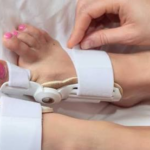
9. Night Splints
Night splints keep the foot gently stretched while you sleep.
This prevents the plantar fascia from tightening overnight, reducing the painful first steps in the morning.
Many people notice improvement after using night splints consistently for several weeks.
10. Shockwave Therapy
Extracorporeal Shockwave Therapy (ESWT) is a non-surgical treatment that uses sound waves to stimulate healing.
Doctors may recommend it if other treatments have not worked.
Benefits include:
- Reduced pain
- Improved blood flow
- Faster tissue healing
- No surgical incision
- Minimal recovery time
Although not everyone needs shockwave therapy, it has helped many patients avoid surgery.
Home Remedies for Heel Spur Pain
Several simple home remedies can support recovery.
Massage
Roll your foot over a frozen water bottle or tennis ball for several minutes.
This gently massages the plantar fascia while reducing inflammation.
Warm Foot Soak
Soak your feet in warm water with Epsom salt for about 20 minutes.
This may help relax muscles and reduce discomfort after a long day.
Gentle Daily Movement
Complete bed rest is usually not recommended.
Light movement keeps the foot flexible and promotes healthy circulation.
How Long Does Recovery Take?
Recovery depends on several factors, including:
- Severity of the condition
- Daily activity level
- Body weight
- Consistency with treatment
Many people notice improvement within a few weeks.
For others, complete recovery may take several months.
Following your treatment plan consistently gives you the best chance of healing without surgery.
Tips to Prevent Heel Spurs from Returning
Preventing future heel pain is just as important as treating it.
Here are some helpful habits:
- Wear supportive shoes every day.
- Replace worn-out footwear regularly.
- Stretch before and after exercise.
- Avoid standing for long periods whenever possible.
- Maintain a healthy body weight.
- Increase exercise intensity gradually.
- Avoid walking barefoot on hard surfaces.
- Rest your feet after strenuous activities.
Small lifestyle changes can significantly reduce the risk of developing another heel spur.
When Should You See a Doctor?
Although many heel spurs improve with home care, medical attention is important if:
- Pain lasts longer than several weeks.
- Walking becomes difficult.
- Swelling increases.
- Pain becomes severe.
- Home treatments provide no relief.
A healthcare professional may recommend imaging tests such as an X-ray to confirm the diagnosis and rule out other foot problems.
Early treatment often leads to faster recovery.
Final Thoughts
Living with heel pain can be frustrating, but surgery is rarely the first or only option. Most people experience significant improvement through heel spur treatment without surgery by combining rest, stretching, supportive footwear, orthotic inserts, physical therapy, and healthy lifestyle habits.
The key to recovery is consistency. While results may not appear overnight, following a regular treatment routine helps reduce inflammation, relieve pain, and restore normal movement. Paying attention to foot health today can also prevent future heel problems and keep you active for years to come.
Frequently Asked Questions (FAQs)
1. Can a heel spur heal without surgery?
Yes. Most heel spurs can be managed successfully without surgery. Treatments such as stretching, supportive footwear, orthotic inserts, physical therapy, ice therapy, and rest often relieve pain and improve mobility.
2. What is the fastest way to relieve heel spur pain?
The quickest relief usually comes from resting the foot, applying ice for 15–20 minutes several times a day, wearing supportive shoes, using cushioned heel inserts, and performing gentle stretching exercises.
3. How long does it take for a heel spur to improve?
Many people notice reduced pain within a few weeks of consistent treatment. Depending on the severity of the condition, full recovery may take anywhere from a few months to six months or longer.
4. Is walking good for a heel spur?
Gentle walking is generally safe, but excessive walking or high-impact activities can worsen heel pain. Wear supportive shoes and avoid pushing through severe discomfort.
5. Can a heel spur come back after treatment?
Yes, a heel spur can return if the underlying causes are not addressed. Wearing supportive footwear, maintaining a healthy weight, stretching regularly, and avoiding excessive stress on the feet can help prevent recurrence.

