Heel Spur Treatment Without Surgery: A Complete Guide to Relieving Heel Pain Naturally
July 20, 2026
Congestive Heart Failure Symptoms: Early Signs, Causes, and When to Get Help
July 20, 2026
Introduction
High blood pressure, also called hypertension, is one of the most common health problems in the world. Millions of people have high blood pressure without even knowing it because it often has no warning signs. If left untreated, it can increase the risk of heart disease, stroke, kidney disease, and other serious health conditions.
The good news is that high blood pressure can be controlled with the right treatment, healthy habits, and regular medical care. This High Blood Pressure Treatment Guide explains everything you need to know in simple words. Whether you have recently been diagnosed or want to help a loved one, this guide will help you understand the best ways to manage blood pressure and improve your overall health.
What Is High Blood Pressure?
Blood pressure is the force of blood pushing against the walls of your arteries. It is measured using two numbers:
- Systolic pressure: The top number that measures pressure when the heart beats.
- Diastolic pressure: The bottom number that measures pressure when the heart rests between beats.
A normal blood pressure reading is generally around 120/80 mmHg. When blood pressure stays higher than normal over time, it is called high blood pressure.
Since high blood pressure often develops slowly, many people do not notice any symptoms. That is why it is sometimes known as the “silent killer.”
Why Is High Blood Pressure Dangerous?
Untreated high blood pressure can damage your body over time. It forces your heart to work harder and puts stress on your blood vessels.
Possible complications include:
- Heart attack
- Stroke
- Heart failure
- Kidney damage
- Vision problems
- Memory and thinking difficulties
Getting treatment early can lower these risks and help you live a longer, healthier life.
Causes of High Blood Pressure
There are many reasons why blood pressure becomes high. Some people inherit it from family members, while others develop it because of lifestyle habits.
Common causes include:
- Eating too much salt
- Being overweight
- Lack of physical activity
- Smoking
- Drinking too much alcohol
- Chronic stress
- Poor sleep
- Diabetes
- Kidney disease
- Getting older
Sometimes, doctors cannot find a specific cause. This is known as primary hypertension.
Symptoms of High Blood Pressure
Most people with high blood pressure have no symptoms. However, extremely high blood pressure may cause:
- Severe headaches
- Blurred vision
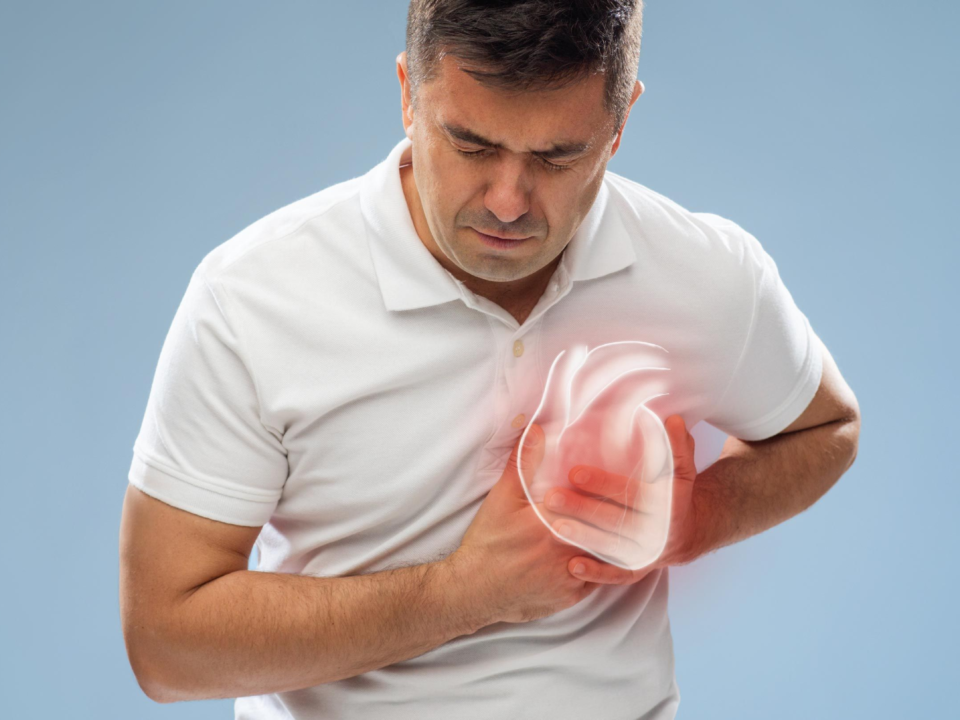
- Chest pain
- Shortness of breath
- Nosebleeds
- Dizziness
- Fatigue
If you experience these symptoms, seek medical attention immediately.
High Blood Pressure Treatment Guide
Treating high blood pressure usually includes a combination of healthy lifestyle changes and medication when needed.
1. Eat a Healthy Diet
A balanced diet is one of the best ways to lower blood pressure naturally.
Choose foods like:
- Fresh fruits
- Vegetables
- Whole grains
- Lean chicken
- Fish
- Beans
- Low-fat dairy products
- Nuts and seeds
Limit foods that are:
- High in salt
- High in sugar
- Fried
- Processed
- Rich in unhealthy fats
A healthy eating plan can improve heart health and help lower blood pressure over time.
2. Reduce Salt Intake
Too much sodium causes the body to hold extra water, increasing blood pressure.
Experts recommend limiting salt intake to about 1,500–2,300 mg per day depending on individual health needs.
Simple ways to reduce salt include:
- Avoid packaged foods
- Read food labels
- Cook meals at home
- Use herbs and spices instead of salt
Even small reductions in sodium can make a noticeable difference.
3. Exercise Regularly
Physical activity strengthens the heart and improves blood circulation.
Aim for at least 150 minutes of moderate exercise each week, such as:
- Walking
- Cycling
- Swimming
- Dancing
- Light jogging
Even a 30-minute walk most days can help reduce blood pressure.
4. Maintain a Healthy Weight
Extra body weight makes the heart work harder.
Losing even 5–10% of your body weight can significantly improve blood pressure.
Healthy weight loss comes from:
- Balanced eating
- Regular exercise
- Good sleep
- Consistency
Avoid crash diets because they are difficult to maintain.
5. Stop Smoking
Smoking damages blood vessels and raises blood pressure immediately after each cigarette.
Quitting smoking improves:
- Heart health
- Lung function
- Blood circulation
- Overall life expectancy
The benefits begin almost immediately after quitting.
6. Limit Alcohol
Too much alcohol can increase blood pressure.
If you drink alcohol:
- Drink in moderation.
- Avoid binge drinking.
- Follow your healthcare provider’s advice.
Reducing alcohol intake often leads to better blood pressure control.
7. Manage Stress
Long-term stress may contribute to high blood pressure.
Healthy stress management techniques include:
- Deep breathing
- Meditation
- Yoga
- Reading
- Listening to music
- Spending time outdoors
- Talking with family and friends
Finding healthy ways to relax can benefit both your mental and physical health.
8. Take Medications as Prescribed
Sometimes lifestyle changes alone are not enough.
Doctors may prescribe blood pressure medications such as:
- ACE inhibitors
- ARBs
- Calcium channel blockers
- Diuretics
- Beta blockers
Always take medication exactly as directed.
Never stop taking medicine without consulting your healthcare provider, even if your blood pressure improves.
Monitor Your Blood Pressure at Home
Home monitoring helps you understand how well your treatment is working.
Tips include:
- Use a reliable blood pressure monitor.
- Measure at the same time every day.
- Sit quietly for five minutes before checking.
- Keep both feet flat on the floor.
- Record your readings.
Share your results with your doctor during appointments.
Foods That Help Lower Blood Pressure
Some foods naturally support healthy blood pressure.
Examples include:
- Bananas
- Spinach
- Oats
- Berries
- Garlic
- Yogurt
- Salmon
- Avocados
- Beans
- Sweet potatoes
These foods contain nutrients like potassium, magnesium, calcium, and fiber that help maintain healthy blood pressure.
Foods to Avoid
Certain foods can make blood pressure worse.
Limit:
- Salty snacks
- Fast food
- Processed meat
- Sugary drinks
- Candy
- White bread
- Instant noodles
- Frozen meals
- Excess butter
- High-fat desserts
Eating fresh, home-cooked meals is usually a healthier choice.
Can High Blood Pressure Be Prevented?
Yes. Many cases of high blood pressure can be prevented by following healthy habits.
Helpful prevention tips include:
- Stay physically active.
- Eat nutritious foods.
- Maintain a healthy weight.
- Avoid smoking.
- Drink alcohol only in moderation.
- Get enough sleep.
- Reduce stress.
- Have regular health checkups.
Small daily improvements often lead to long-term health benefits.
When Should You See a Doctor?
You should speak with a healthcare provider if:
- Your blood pressure stays above normal.
- You experience headaches, chest pain, or vision changes.
- You have diabetes or kidney disease.
- Your medication causes side effects.
- You have a family history of heart disease.
Regular medical care helps prevent complications and keeps treatment on track.
Conclusion
Managing high blood pressure does not have to be difficult. By eating healthy foods, staying active, reducing salt, managing stress, maintaining a healthy weight, and following your doctor’s treatment plan, you can successfully control your blood pressure and reduce your risk of serious health problems.
Remember that high blood pressure often has no symptoms, so regular monitoring is essential. Early diagnosis and consistent treatment are the keys to protecting your heart, brain, kidneys, and overall well-being. With the right lifestyle choices and medical guidance, most people with high blood pressure can enjoy a long, healthy, and active life.
Frequently Asked Questions (FAQs)
1. What is the best treatment for high blood pressure?
The best treatment usually combines healthy lifestyle changes, such as eating a balanced diet, exercising regularly, reducing salt intake, and taking prescribed medications if recommended by a healthcare provider.
2. Can high blood pressure be cured permanently?
For many people, high blood pressure cannot be permanently cured, but it can be effectively controlled through healthy habits and proper medical treatment.
3. Which foods help lower blood pressure naturally?
Foods such as bananas, leafy green vegetables, berries, oats, beans, garlic, yogurt, and salmon can support healthy blood pressure because they are rich in potassium, fiber, and other important nutrients.
4. How often should I check my blood pressure?
If you have high blood pressure, your doctor may recommend checking it daily or several times a week at home. Follow your healthcare provider’s advice for the best monitoring schedule.
5. Is walking good for high blood pressure?
Yes. Walking for about 30 minutes on most days of the week can help lower blood pressure, improve heart health, support weight management, and reduce stress.